
Achieve your best vision with
Dr. Seefeldt
Your Ophthalmologist/Eye Doctor in Federal Way, WA
Erin Seefeldt, MD
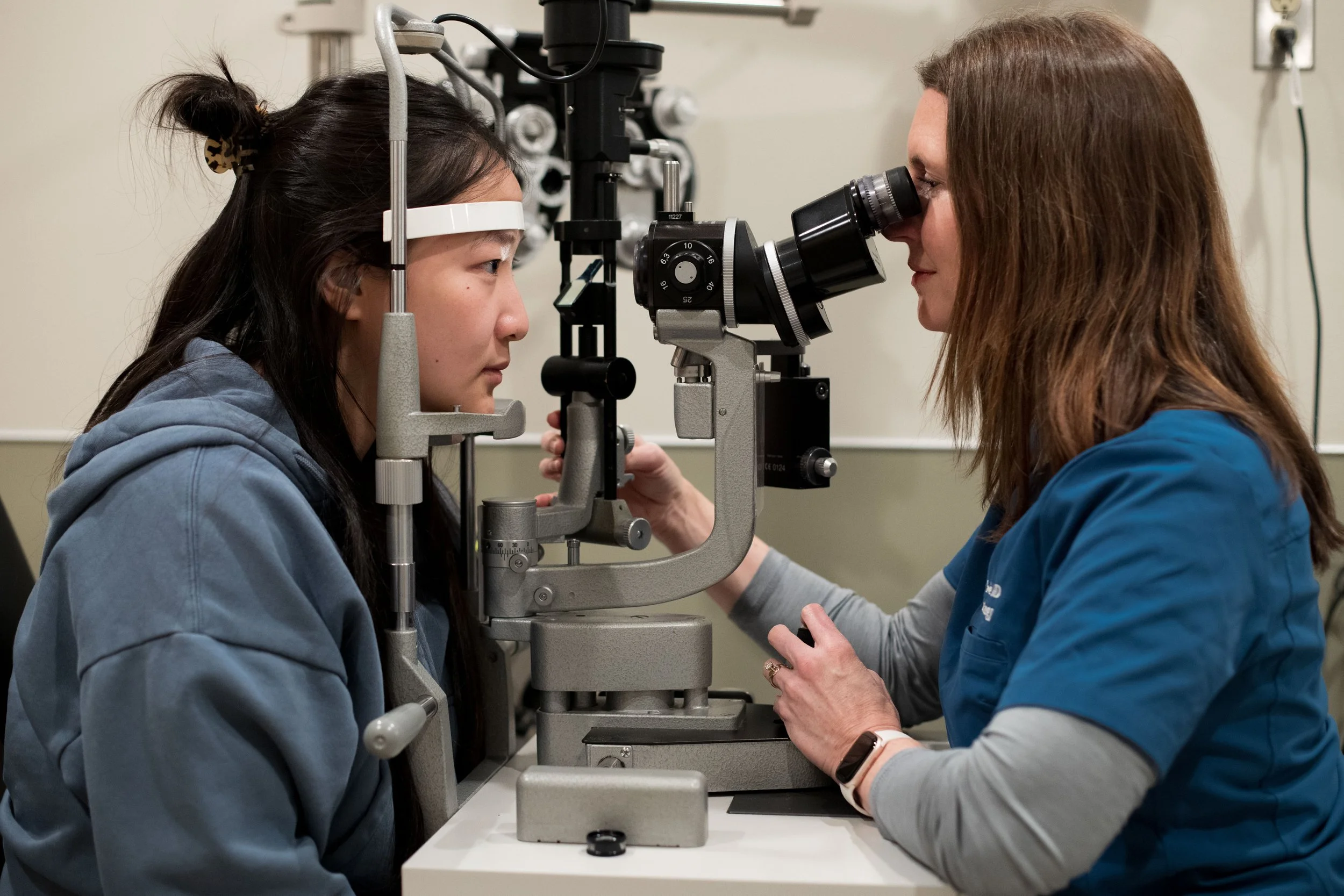
Cataract Surgery
○
Glaucoma
○
Lasik and PRK Surgery
○
Retina Care
○
Dry and Wet Eyes
○
Blepharoplasty
○
RLE
○
ICL
○
Cataract Surgery ○ Glaucoma ○ Lasik and PRK Surgery ○ Retina Care ○ Dry and Wet Eyes ○ Blepharoplasty ○ RLE ○ ICL ○


See your world with greater clarity and confidence.
Dr. Erin Seefeldt delivers holistic, customized treatment plans focused on restoring, protecting, and improving your vision.











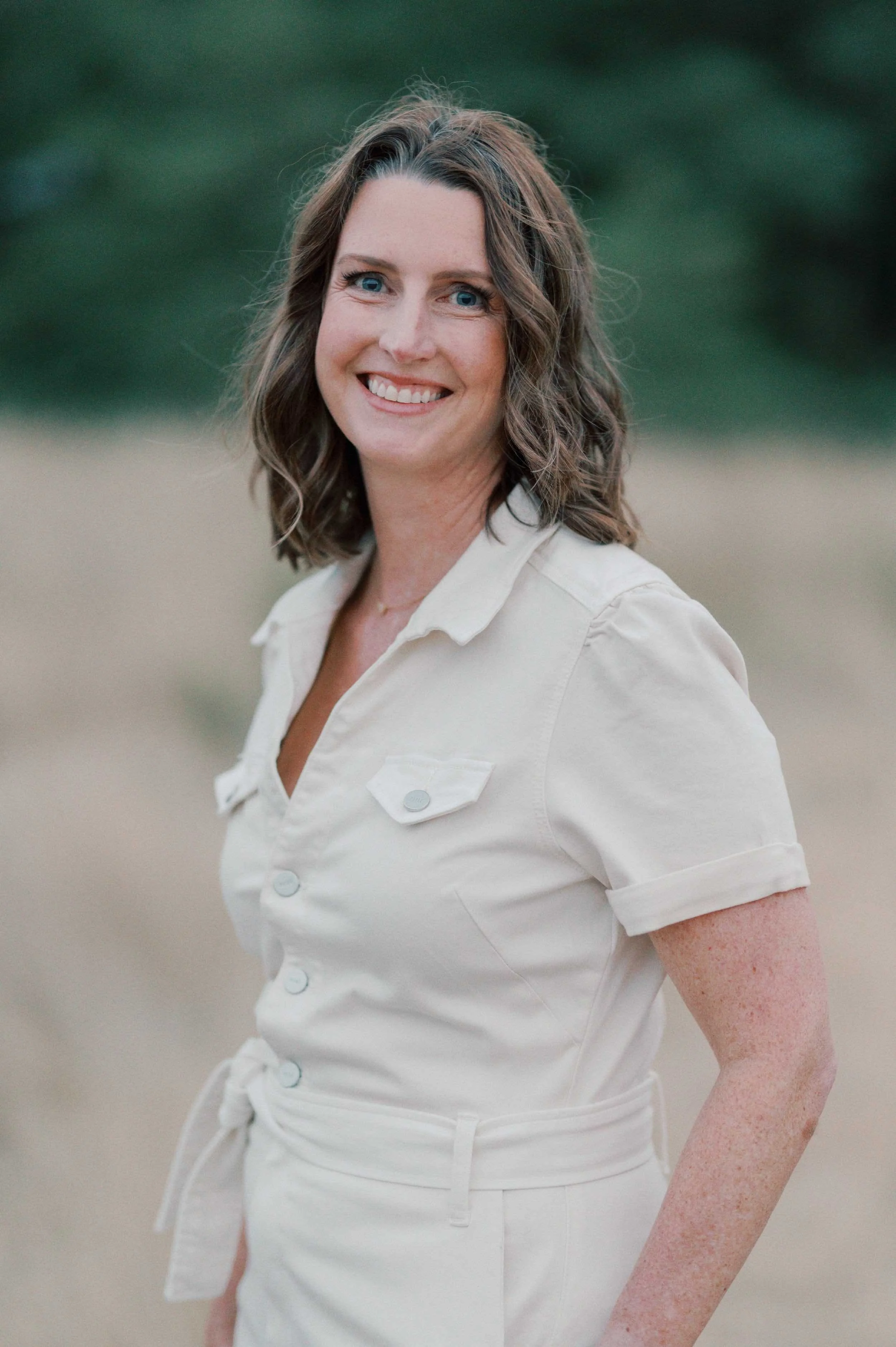
About Dr. Seefeldt
Dr. Erin Seefeldt, MD is a board certified comprehensive ophthalmologist who specializes in cataract and refractive surgery. Her path to medicine has been shaped by service, teaching, and a deep respect for what it means to trust someone with your vision. She is a graduate of the University of Oregon (Go Ducks!) and a Retired Army Colonel. Dr. Seefeldt is committed to bringing you the best in evidence based care through calm and experienced hands.
Dr. Seefeldt is an Associate Clinical Professor at the University of Washington (Go Dawgs!) and she is proud to care for patients at Evergreen Eye Center in Federal Way and the VA. Patients appreciate her steady presence, straightforward explanations, and knowing that they are truly being heard. Her goal is simple: for you to feel confident in your plan and cared for in every moment of the process.
What Dr. Seefeldt’s Patients have to say
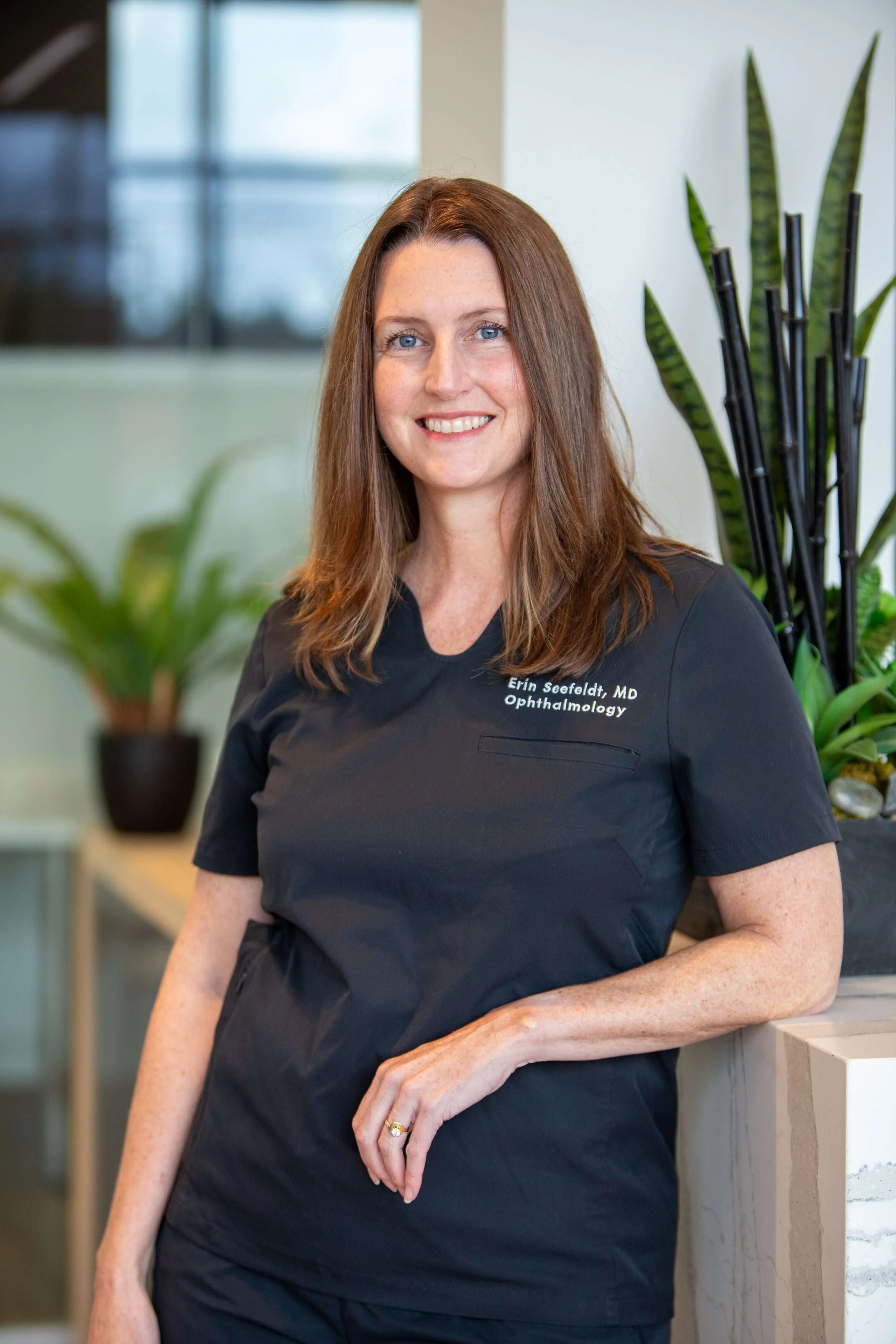
Where can I see
Dr. Seefeldt
Dr. Seefeldt is accepting new patients over age 12 at Evergreen Eye Center in Federal Way. Most insurances are accepted, but please call ahead if you are unsure if you need a referral.
You can book here or call (800) 340-3595 please make sure you are booked with Dr. Seefeldt for surgical consultations. Plan for a 90 minute visit to allow for testing, history, exam and discussion.
If you are looking for non-surgical aesthetic treatments like botox, fillers or skin lasers please book a consultation at Catalyst medspa.

Am I covered?
Providers: Check your insurance here.
LASIK, PRK, ICL, RLE and cosmetic blepharoplasty are usually not covered by insurance. There are also out of pocket expenses for premium IOLs used in cataract surgery. We do our best to provide you transparent pricing and check with your insurance before surgery. Costs for refractive surgery range from $1,800 and eye to $8,000 an eye. Refractive surgery screenings are provided at no cost when not covered by insurance.
Frequently Asked Questions
-
Advanced or premium IOLs are a group of lenses that can be placed in the eye during cataract surgery that do more than the basic monofocal IOL. For most people this results in better vision when you don’t have your glasses on than if you chose a basic IOL. Premium IOLs include astigmatism correcting, extended depth of field, Multifocal and Light Adjustable IOLs. Most premium IOLs will be partially covered by insurance and partially out of pocket with a cost range from about $2,000 to $6,000 per eye.
-
Dry eye treatment is customized based on your symptoms and the cause of your dry eye. For many people the cause is meibomian gland dysfunction. This is treated with warm compress and artificial tears at first. Then adding medicated eye drops and in office procedures as needed.
-
Yes, LASIK, PRK and ICL are the most common treatments for Myopia and Astigmatism. The recommended treatment is determined by the level of myopia and astigmatism and the shape of your eye.
-
Most people are seeing better in 1-2 days. You will need to restrict activity and heavy lifting, rubbing the eyes for 1 week. You will likely be on medicated eye drops for about 4 weeks after surgery. Most people are healed and adapted to their new vision in 30-90 days.
-
The best way to know if you are a good LASIK or PRK candidate is to take the LASIK Quiz and schedule a consultation. Dr Seefeldt’s team will measure your refraction and get scans of your eyes. Then Dr Seefeldt can determine if you are a good candidate. Bring your last 2 glasses or contact lens prescriptions. Please do not wear contact lenses to your consultation as this makes scans less accurate.
-
If you have glaucoma you will always need some monitoring. It is not a condition that has a one and done cure. Your eye will need regular exams and pressure checks. Laser glaucoma treatment takes about 2-5 minutes and is one of the most efective ways to reduce risk.
-
The cataract which is being removed is made out of fibers like your hair. It doesn’t have any blood vessels or nerve fibers. For most people there is no pain and they do not need pain medications after surgery. During surgery your eye is numbed with topical numbing drops and gel and you will receive a relaxing tablet to help with anxiety - which is common.
-
Glaucoma can’t be cured. It can be treated. There is currently no cure. This means you will need to follow up regularly. Most glaucoma patients are checked every 6 months if stable.
-
RLE and cataract surgery are the same surgery. In a way your body will choose for you. If you have a cataract it is called cataract surgery, if you don’t the same procedure is called RLE. When people talk about RLE they are usually talking about having a surgery to reduce dependence on glasses or contacts. There is no perfect lens implant at this time that provides perfect vision at every distance. The most advanced and popular IOLs used in RLE and refractive cataract surgery right now are multifocals IOLS and light adjustable lenses.
-
Rest, relax and take your drops. If you are uncomfortable you can also use a gentle cold compress or oral pain medications.
-
Macular degeneration is thought to be a genetic condition with a few modifiable risk factors. If you snake - smacking cessation is the #1 thing to reduce risk. The AREDS2 vitamin is recommended for most people with AMD. Regular home checks with an Amsler grid (link) can assist with early detection and regular clinical visits can catch changes early.
-
The most common concerns after surgery are dry eyes, shadows in the peripheral vision (lens dysphotopsia) and developing a posterior capsular opacity (PCO).
-
There are several standards set by insurers that determine coverage. These include proof that it is impacting your vision as determined by measurements, photos and visual fields and vision complaints consistent with dermatochalasis obstructing vision. There isn’t a home test for this, so schedule a consult.
-
Yes, Dr. Seefeldt has a state of the art surgical suite that uses the latest technology to improve results. During your consultation Dr. Seefeldt will help you decide if laser assisted surgery will benefit you. Laser assisted surgery is not fully covered by most insurances.

Send a message to
Dr. Seefeldt’s team
If you have non-urgent questions please send a message here and one of Dr. Seefeldt’s team members will reach out. Please don’t leave private health info or use this for urgent eye issues. If you are having an eye emergency call 911 or head to urgent care.
Website forms and email are not guaranteed to be secure. Do not send sensitive medical or health information through this website. By submitting information, you understand it may not be treated as protected health information (PHI) unless and until you become an established patient through the practice’s intake process.